Heat Pump Repair in Highlands Ranch, CO
Blowing cold on heat, iced over, or running the expensive backup in mild weather? Cold-climate heat pumps work here — when they are set up and serviced properly.
- Fully Insured
- 24/7 Emergency Service
- Workmanship Warranty
- Upfront Pricing
- Serving the south Denver metro
Get Your Free Quote
We’ll get back to you as soon as possible. No spam, ever.
Do Heat Pumps Work in Highlands Ranch Winters?
Yes. Modern cold-climate heat pumps hold useful heat output down to roughly -10F, which covers the large majority of Highlands Ranch winter days. Most installations here pair the heat pump with a backup heat source for the few genuinely severe nights, and the combination usually costs less to run than gas heat alone.
Prices vary by system, parts, and unit age. We confirm your exact price before any work begins.
Ten years ago, if you had asked whether a heat pump made sense in Highlands Ranch, the honest answer was probably not. Below freezing they ran out of capacity, the backup heating strips took over, and your electricity bill told you all about it.
That has genuinely changed. Cold-climate heat pumps now hold usable output down to around minus ten Fahrenheit, they cool the house in summer as part of the same purchase, and they currently carry the largest rebates available on any heating equipment. Which is why heat pump repair in Highlands Ranch has gone from a niche call to a routine one.
This page covers what goes wrong with them, what repairs cost, and the honest version of whether one belongs in your house.
What a Heat Pump Actually Does
Worth ninety seconds, because almost every fault on this page makes more sense once you have it.
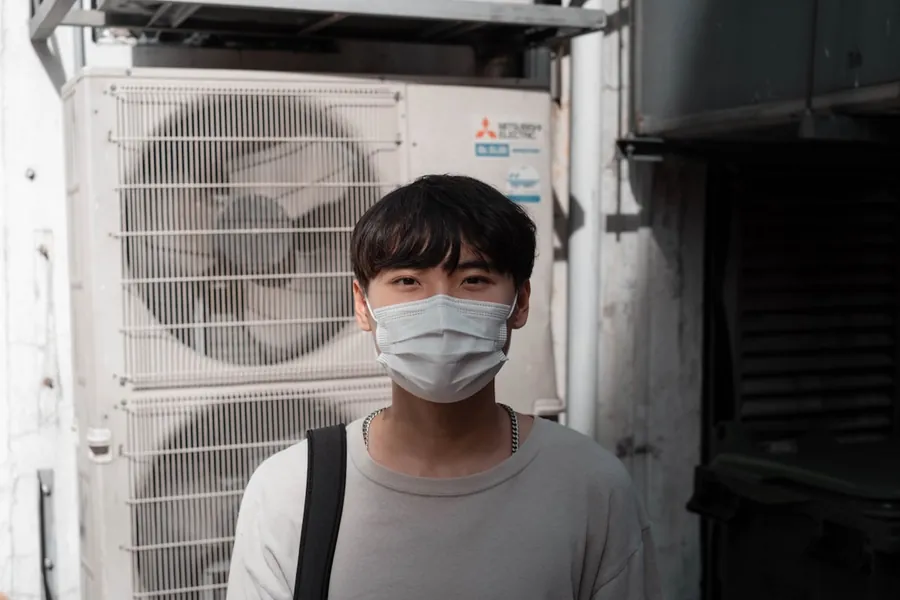
A heat pump is an air conditioner that can run backwards. In summer it takes heat from inside your house and dumps it outside — exactly what any AC does. In winter it reverses, pulling heat out of the outdoor air and moving it inside.
That sounds impossible when it is fifteen degrees outside, but there is still heat energy in that air. The refrigerant simply operates at a temperature low enough to absorb it. This is why a heat pump is so efficient: it moves heat that already exists instead of burning fuel to create it. A gas furnace can never exceed one hundred percent of the energy you put in. A heat pump routinely delivers two to three times.
The component that flips the system between heating and cooling is the reversing valve, and it is one of the parts that fails.
The Colorado Question: Do They Work Here?
Yes, with one honest qualification.
Capacity falls as it gets colder. That is physics, not a defect. Older standard heat pumps lost so much output by the mid-twenties Fahrenheit that they became impractical here. Cold-climate models — the ones using variable-speed inverter compressors — hold a usable share of their rated capacity down to around minus ten.
Look at what Highlands Ranch winters actually do. Most winter days sit between twenty and forty-five degrees, which is comfortably inside a cold-climate heat pump’s efficient range. The genuinely severe nights — single digits or below — are a handful each year. So the system handles the vast majority of the season efficiently, and needs help for a small minority.
That help is either electric backup heat, or a gas furnace in a dual-fuel arrangement. Which one you choose has a large effect on your winter bills, and it is covered further down.
Faults We See Most
Defrost cycle problems
In heating mode the outdoor coil gets colder than the outside air, so moisture condenses on it and freezes. Every heat pump therefore has a defrost cycle: it briefly reverses, sends warm refrigerant to the outdoor coil, melts the ice, and switches back. You will see steam rising off the unit, hear a distinct whoosh as the reversing valve shifts, and notice the indoor air go cool for a minute or two. All of that is normal.
What is not normal is a unit encased in solid ice that never clears, or one defrosting every fifteen minutes in mild weather. The usual culprits are a failed defrost board, a defective outdoor temperature sensor, or a reversing valve that is not shifting fully. Running a heat pump in a permanent ice state risks liquid refrigerant returning to the compressor, which is the expensive failure.
Reversing valve failure
The signature symptom is unmistakable: the system blows cold air when set to heat, or warm air when set to cool. Sometimes the valve sticks midway and you get lukewarm air in both modes. Occasionally it is only the solenoid coil that has failed, which is a far cheaper repair than the valve body, so it is worth confirming which before accepting a large quote.
Refrigerant leaks
A heat pump runs year round rather than for one season, so it accumulates roughly twice the operating hours of a straight AC. Vibration and thermal cycling eventually open small leaks, most often at flare fittings and service valves.
Symptoms are gradual: reduced heating and cooling, longer run times, ice forming on the indoor coil. Refrigerant is not consumed in normal operation, so if a system needs topping up, it has a leak. Anyone who recharges it without finding the leak is selling you the same repair again next year.
Auxiliary heat running when it should not
This one shows up as a bill rather than a breakdown, which is why it goes unnoticed for months.
Auxiliary or emergency heat is electric resistance heating — essentially a large toaster in your ductwork. It exists for the coldest hours and it is expensive to run, roughly three times the cost of the heat pump doing the same work. If it engages in mild weather, something is wrong: low refrigerant, a faulty outdoor sensor, a thermostat configured incorrectly, or a heat pump that was undersized to begin with.
If your thermostat shows an aux or emergency heat indicator, watch when it lights. Coming on at thirty-eight degrees is a fault worth chasing.
Compressor and capacitor
The capacitor gives the compressor the jolt it needs to start. When it weakens the compressor hums but does not run, and the outdoor fan may spin without producing any heating or cooling. Cheap part, quick fix, and the most common single failure on any heat pump.
An actual compressor failure is the one that ends the conversation. On an older unit the repair cost usually exceeds what the remaining life is worth.
What Heat Pump Repairs Cost Here
| Repair | Typical range | Notes |
|---|---|---|
| Capacitor | $150 – $350 | Most common fault |
| Contactor | $150 – $350 | Often paired with capacitor |
| Defrost board | $300 – $650 | Common in Colorado |
| Outdoor sensor | $180 – $350 | Causes aux heat overuse |
| Reversing valve solenoid | $250 – $500 | Check before replacing valve |
| Reversing valve body | $700 – $1,500 | Requires refrigerant recovery |
| Refrigerant leak repair | $400 – $1,600 | Depends where the leak is |
| Compressor | $2,000 – $4,000 | Usually replace the system |
The same arithmetic applies as with any heating equipment: multiply the repair by the age of the unit, and if the answer clears 5,000, replacement is generally the better use of the money. A $600 defrost board on a five-year-old system is worth doing. The same repair on a fourteen-year-old unit is not.
Dual-Fuel: The Setup That Suits Colorado
This is the configuration that makes the most sense in Highlands Ranch, and a lot of homeowners have never had it explained.
A dual-fuel system pairs a heat pump with a gas furnace. Above a set outdoor temperature — the changeover point, typically somewhere between twenty-five and thirty-five degrees — the heat pump does the work, because it is cheaper to run. Below that point the furnace takes over, because gas becomes the cheaper source.
The result is that you use the efficient option for the eighty-odd percent of the winter it suits, and the powerful option for the rest. No electric resistance strips, which is where heat-pump-only systems get expensive in a Colorado January.
Two things determine whether it works well. The changeover temperature has to be set based on your actual gas and electricity rates, not left at a factory default. And the thermostat has to be genuinely dual-fuel capable, because a standard one will fight the sequencing.
If your furnace is nearing the end of its life anyway, replacing it as part of a dual-fuel setup is a sensible moment. Furnace replacement costs covers that side of the decision.
Heat Pump or Furnace for Your House?
The honest answer depends on the building, not on which technology is fashionable.
A heat pump suits you if: the home is reasonably well insulated, the ductwork is sound and correctly sized, you also want air conditioning, you plan to stay long enough for the running-cost saving to accumulate, and you want the rebates.
A furnace suits you better if: the house is older and draughty, the ductwork is marginal, you have cheap gas and expensive electricity, or you simply prefer the fast, intense heat a furnace delivers. Heat pump air arrives cooler and steadier, around ninety to one hundred degrees at the vent rather than one hundred and twenty, and some people find that less satisfying even though the room reaches the same temperature.
One point that gets missed: a heat pump makes a poorly insulated house feel worse, not better, because it relies on longer gentler cycles that a leaky building undermines. If your home has known insulation problems, fixing those first will change which answer is right.
Sizing at Altitude
Heat pumps are affected by elevation differently from furnaces, and it is less widely understood.
A furnace loses output at altitude because combustion needs oxygen. A heat pump does not burn anything, so it is not de-rated the same way. What does change is air density across the coils: thinner air carries less heat per cubic foot, so airflow has to be higher to move the same energy. That affects blower sizing and duct design more than it affects the equipment rating.
The practical consequence is that a heat pump installed here needs its airflow set up correctly, and ductwork that was marginal for a furnace will be more marginal for a heat pump. Anyone quoting a heat pump without measuring static pressure is guessing. How ductwork and static pressure are checked explains what that involves.
Rebates on Heat Pumps
Heat pumps currently attract the largest incentives of any HVAC equipment, and it is worth understanding why before assuming the marketing is exaggerating.
Xcel Energy runs rebates on qualifying cold-climate heat pumps. Federal energy-efficiency tax credits apply to qualifying equipment, claimed on your return. Some Colorado state-level incentives have also been available. Stacked together, on a qualifying installation, the total can be large enough to change which system is cheapest overall — not just cheapest to run.
Two cautions. Qualifying model lists are specific, and a unit that looks similar on paper may not be on the list. And programme amounts change annually, so verify against the utility’s current published information rather than a figure quoted in a sales visit. Ask who submits the paperwork, too.
Maintenance: More Important Than for a Furnace
A furnace sits idle for five months a year. A heat pump works year round, which roughly doubles its operating hours and makes annual attention genuinely necessary rather than merely advisable.
- Outdoor coil cleaning. Colorado dust and cottonwood clog coils quickly, and a fouled coil cripples both heating and cooling.
- Refrigerant charge verification. Small leaks are common and gradual. Catching one early costs far less than replacing a compressor that ran low on refrigerant.
- Defrost cycle testing. Confirmed working before winter, not discovered failed during it.
- Auxiliary heat lockout check. Confirms the expensive backup is only engaging when it should.
- Airflow and static pressure. Especially relevant at altitude.
- Clearance around the outdoor unit. Snow, leaves and shrubs restricting airflow are a routine cause of poor performance here.
One Colorado-specific point: the outdoor unit should sit raised on a stand rather than at ground level, so snow accumulation and meltwater do not sit around the base. Units installed flat on a pad have a habit of icing at the bottom of the coil every winter.
Annual service covers what a full visit includes.
Ductless Mini-Splits
A mini-split is a heat pump without ductwork. An outdoor unit connects by a small refrigerant line to one or more wall-mounted indoor heads, each with its own control.
They solve problems that a central system handles badly. A finished basement that the main ductwork was never designed to reach. A bonus room over the garage that is freezing in winter and unbearable in July. A converted garage or a home office addition. A sunroom. In each case, extending the existing ducts is expensive and disruptive, while a mini-split is a day’s work and a three-inch hole in the wall.
They are also the answer in homes with no ductwork at all, which in Highlands Ranch generally means properties on boiler and radiant heat where the owners want cooling. Adding full ducting to such a house costs many times what a couple of mini-split heads cost.
The trade-offs are honest ones. The indoor heads are visible on the wall and not everyone likes them. Per zone they cost more than extending ductwork would if ductwork already existed nearby. And each head needs its filters cleaning regularly — a genuinely simple job, but one that gets forgotten until performance drops.
Faults are largely the same as any heat pump, with one addition: condensate. Each indoor head produces water in cooling mode and drains it through a small line. Blocked drain lines and failed condensate pumps are the most common mini-split callout in summer.
Lifespan, Noise and Two Common Myths
Lifespan. Twelve to fifteen years is realistic here, shorter than a well-maintained furnace, because the equipment works in both seasons. Annual maintenance genuinely moves that number — a neglected unit with a fouled coil and a slow refrigerant leak can fail at eight.
Noise. Modern inverter-driven units are quieter than the AC they replace, because they run at low speed most of the time rather than switching between full blast and off. What people do notice is the defrost cycle: a distinct whoosh as the reversing valve shifts, followed by the outdoor fan stopping and restarting. It sounds like a fault the first winter and it is not.
Myth one: they do not work in cold weather. True of equipment sold fifteen years ago. Not true of cold-climate models, which are now the standard specification for Colorado installations.
Myth two: you should switch to emergency heat when it gets really cold. The opposite. Emergency heat locks out the heat pump entirely and runs electric resistance strips at roughly three times the cost. The system is designed to bring backup in automatically when it needs it. Emergency heat is for when the heat pump itself has failed, not for cold weather.
Before You Call
Three checks that rule out the simple causes.
- Thermostat mode. Set to heat, not emergency heat. Emergency heat locks out the heat pump entirely and runs the expensive backup, and it is easy to leave switched on after a cold snap.
- Outdoor unit clearance. Clear snow, leaves and anything stacked within a couple of feet. Restricted airflow mimics a fault.
- Filter. As with any ducted system, a blocked filter causes low airflow, which causes ice on the indoor coil, which looks like a refrigerant problem and is not.
Tell us what the system is doing — blowing cold on heat, iced over, running constantly, or showing auxiliary heat in mild weather — along with the age and make. Heat pump repair in Highlands Ranch is usually a straightforward diagnosis once someone knows which of the half-dozen common faults to look at first.
How Service Works
Three easy steps — no runaround, no surprise pricing.
Call or Fill Out the Form
Tell us your system type, what it’s doing (or not doing), and your area or ZIP code.
Get an Upfront Quote First
We diagnose the real problem and give you a flat, written price before any work starts — so you decide, not us.
We Fix It — Often Same Day
A background-checked technician arrives, gets it running, and cleans up. Most repairs are done in one visit.
Heat Pump Repair and Installation in Highlands Ranch, CO FAQs
Are heat pumps a good idea in Colorado?
My heat pump runs constantly in winter, is that broken?
What is auxiliary heat and why is my bill high when it runs?
Why is my outdoor unit covered in ice?
How long do heat pumps last at altitude?
Can I add a heat pump to my existing furnace?
Explore Our Services



Areas We Serve


Ready to Get Comfortable Again?
Skip the form — the fastest way to get help is a phone call. Tell us what your system is doing and we’ll give you a straight answer and an upfront price.
(720) 738-8900Need Heat Pump Repair and Installation in Highlands Ranch, CO in Highlands Ranch?
Real techs, real answers, upfront pricing — 24 hours a day.
📞 Call (720) 738-8900